

The Hindu
March 24, 2016
The following is an extract from a news article published by The Hindu, highlighting expert medical advice on increased allergy and asthma risks during winter due to dust mites, moulds, and cold temperatures.
HYDERABAD: Winters are always tough for persons prone to allergies!
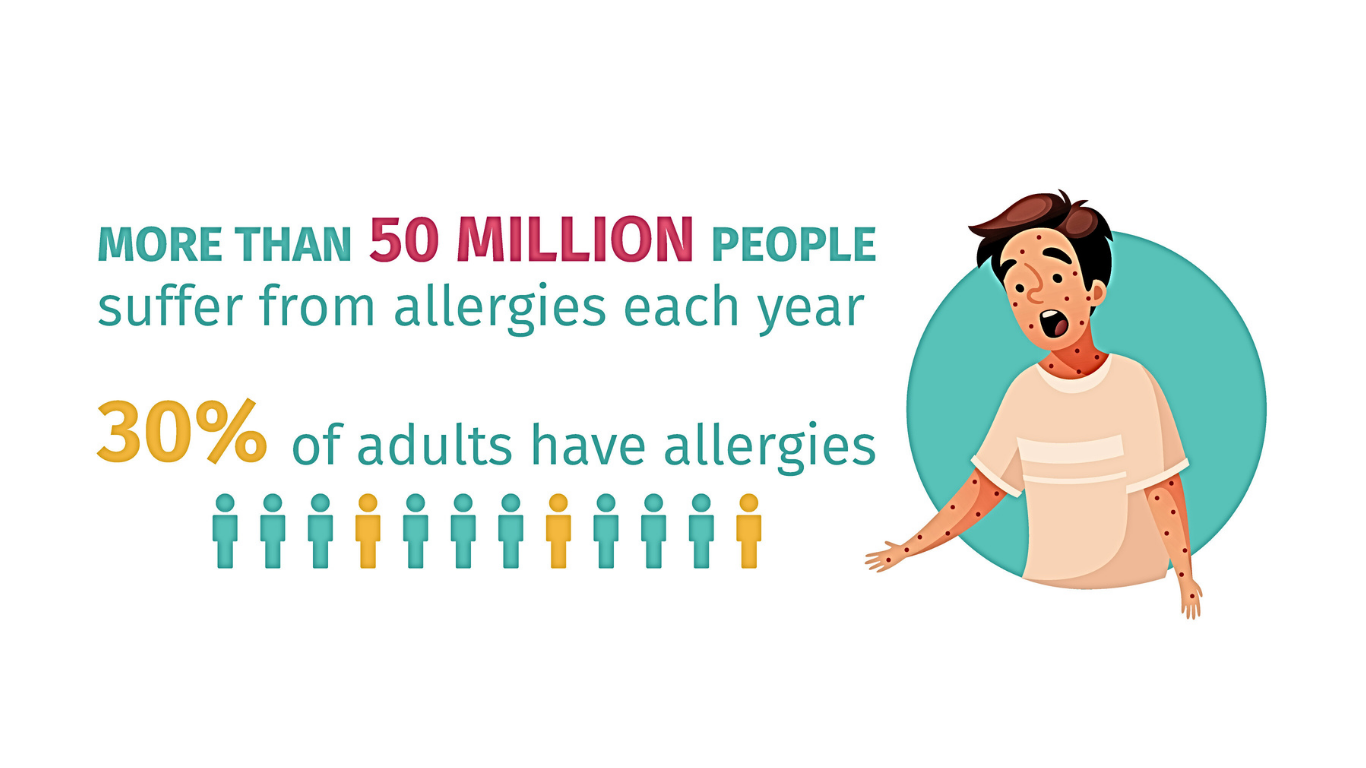
By rough estimates, December and January mark a 30 per cent surge in complaints about allergies. The dip in temperature during these months also is challenging for children and elderly, who struggle with asthma attacks when they come in contact with allergens.
According to doctors, 70 per cent of allergy aggravation in winter season is due to house dust mite, moulds and of course the drop in temperatures.
Cold temperatures cause broncho-constriction, which is constriction of the airways in the lungs because the surrounding muscles ‘tighten-up’, resulting in more aggressive and unpredictable asthma attacks.
Apart from dist mites, houses with windows closed all the time in winter, result in poor cross ventilation. This encourages growth of moulds (fungi), which is an allergen.
“It’s a fact that chilled air aggravates allergies. Persons, who are already under medication for allergies and asthma should not have this notion that nothing is going to happen to them. They too will experience asthma attacks or allergic rhinitis and sinusitis when they get exposed to winter chillness,” says Dr. Vyakarnam Nageshwar, allergy specialist and CEO of Allergy Specialists of Allergy and Asthma Network of India (AANI).
According to chest specialists, compared to summer, the levels of dust mite increases two to three-fold during winter.
Eczema, a kind of itchy skin allergy, also worsens in winter because of less exposure to sunlight.
Doctors point out that a lot of eczema patients tend to be allergic to dust mites and this allergen can make eczema worse.
“Lungs and air passages of Asthma patients are already sensitive. In winter, when they come in contact with cold dry air and various kinds of viruses, they trigger asthma seizures. In winters, hospitals do see a jump in admissions due to asthma,” says professor, pulmonary medicine, Osmania Medical College, Dr. K. Subhakar.
Majority of allergy attacks happen in the wee hours when, persons tend to get out of the bedroom and immediately enter hall, terrace or balcony, exposing themselves to chilly air, which triggers cold and uninterrupted sneezing.
“The moment you get up, stay on bed for three minutes and breathe air calmly. This allows body organs like nasal mucosa and lung airways to get acclimatised to external room temperature,” says Dr. Nageshwar.