
Dust Allergy

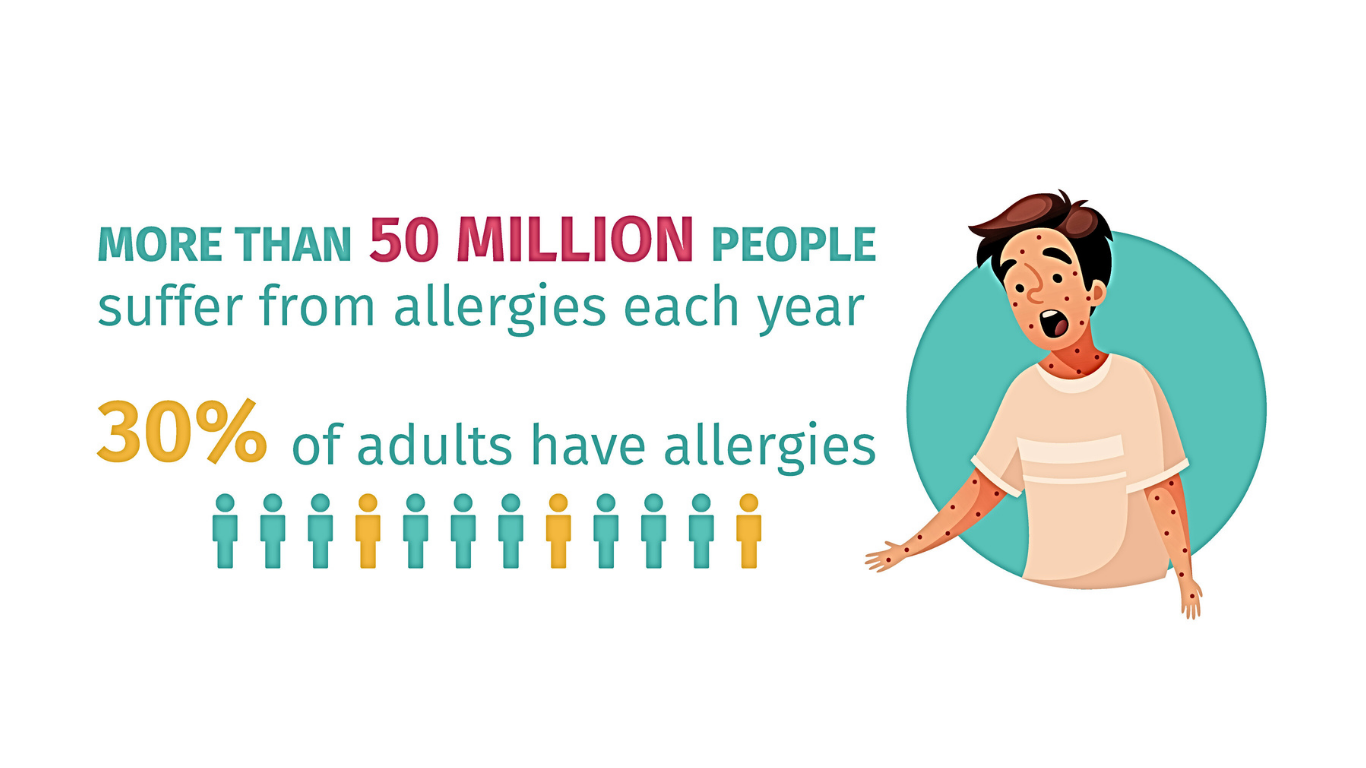
It is not uncommon for people to seek a dust allergy specialist in Hyderabad, as nearly 60% of allergy patients* are known to be susceptible to house dust mite allergy.
The usual culprit is a microscopic, eight-legged organism whose debris or faecal particles, when inhaled in dry powdered form, can trigger an immune reaction in susceptible individuals.
Dust allergy may lead to mild to severe allergic reactions, requiring timely evaluation and treatment by a qualified dust allergy doctor in Hyderabad.
Delaying treatment can not only worsen symptoms but may also increase the overall dust allergy treatment cost, making early intervention essential.
At Aswini Allergy Centre, Hyderabad, patients receive expert care under the guidance of Dr Vyakarnam Nageshwar, Allergist & Immunologist, who specialises in root-cause–based allergy management.
Dust Allergy Symptoms
You should consider consulting a dust allergy specialist in Hyderabad if you experience any of the following symptoms:
- Dry cough
- Sneezing and runny nose
- Difficulty in breathing
- Nasal congestion
- Wheezing
- Sinusitis
Early diagnosis can prevent progression to chronic respiratory conditions such as allergic rhinitis or asthma.
Dust Allergy Test in Hyderabad – Diagnostic Protocol
Effective dust allergy treatment in Hyderabad begins with identifying the exact allergens responsible for triggering symptoms.
At Aswini Allergy Centre, diagnosis follows a strict clinical protocol using advanced modified allergen skin prick testing, which can accurately detect even polysensitisation—a condition where patients react to multiple allergens simultaneously.
Also known as polyallergy, such cases can significantly increase treatment complexity and cost if not diagnosed early.
For example, combined exposure to house dust mite allergens and cockroach excreta may trigger severe reactions during routine activities like house cleaning or inhalation of air from an uncleaned air conditioner.
The expertise of our dust allergy clinic in Hyderabad ensures that even micro-level allergens are not missed during evaluation.
Common dust allergens include:
- Indoor and outdoor house dust mites
- Parthenium pollen
- Cockroach allergens
In addition, fungal elements present in dust may also cause flare-ups. Damp walls, leaky structures, or prolonged food storage in refrigerators often create favourable conditions for fungal growth.
Dust allergy is triggered by allergens such as house dust mites, cockroach debris, and fungal particles.
Around 60% of allergy patients show sensitivity to dust mites.
Through clinical evaluation and modified allergen skin prick testing.
Yes, prolonged exposure can trigger allergic asthma in susceptible individuals.
Yes, it offers long-term relief by reducing immune sensitivity.
They are safe and effective when administered under specialist supervision.
Yes, polyallergy involving dust mite, cockroach, and pollen is common.
Dr Vyakarnam Nageshwar, Allergist & Immunologist, leads treatment.