
Telangana Today
25 July 2024
The following is an extract from a news article published by Telangana Today, highlighting emerging medical evidence linking allergies to infertility and the need for immune-focused evaluation in fertility treatment.
Hyderabad: In the last few years, modern lifestyle, late marriages, obesity, excessive addiction to fast food, smoking, drinking and other environmental factors are quite often blamed for the rise of infertility among women.
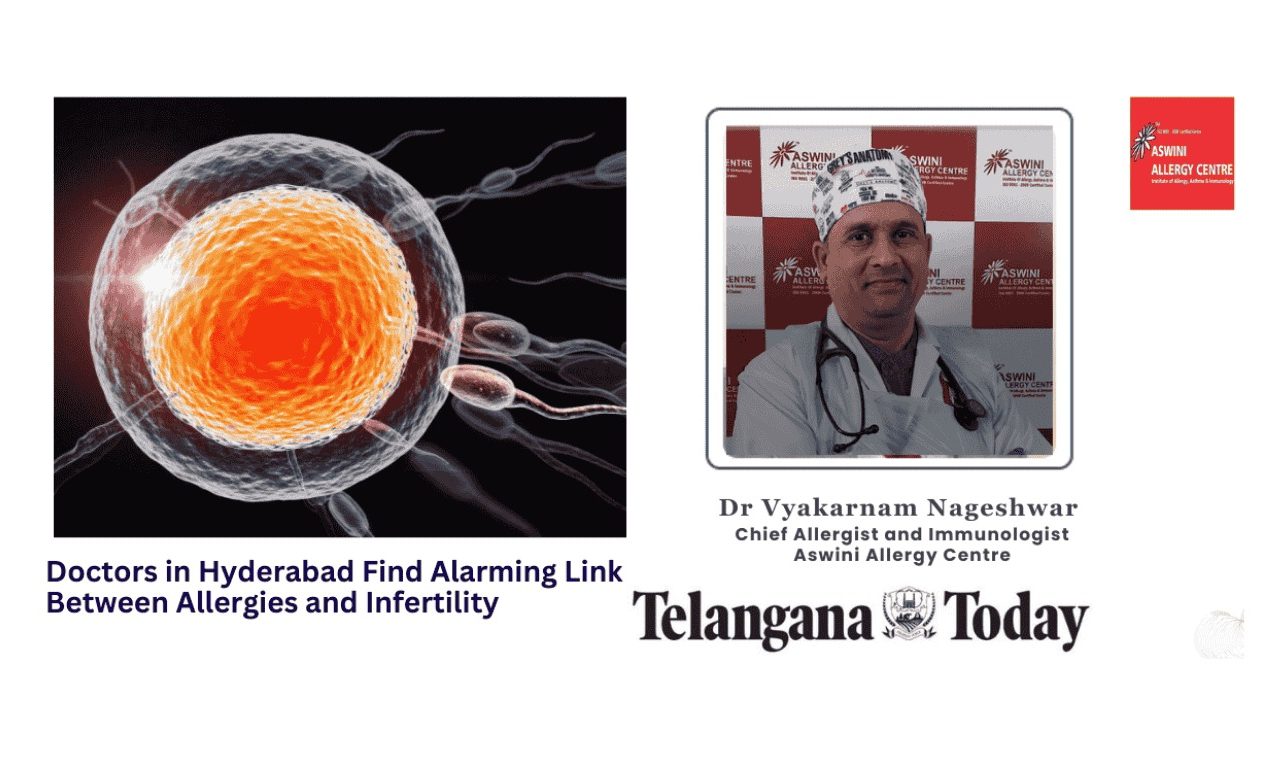
However, in a startling trend that throws new light on infertility, doctors in Hyderabad are now finding evidence between allergies and infertility.
Due to general lack of awareness among couples trying to have children, and even care providers, the possible link between allergies and infertility might have been overlooked.
However, there have been instances where women have sought treatment for their allergies after experiencing multiple failed attempts at assisted reproductive technology procedures, including intrauterine insemination and in-vitro fertilisation.
According to doctors, 70 per cent of allergy aggravation in winter season is due to house dust mite, moulds and of course the drop in temperatures.
Cold temperatures cause broncho-constriction, which is constriction of the airways in the lungs because the surrounding muscles ‘tighten-up’, resulting in more aggressive and unpredictable asthma attacks.
“Recently, a woman software employee with infertility visited us. A detailed analysis of her allergy testing revealed positive reactions to various allergens, including argemone Mexicana, alternaria tenius, cockroach, bakery products, and masala foods. This finding underscores that most of them are unaware of their existing allergies and their potential impact on pregnancy outcomes,” says senior immunologist and allergy specialist from Hyderabad, Dr. Vyakarnam Nageshwar.
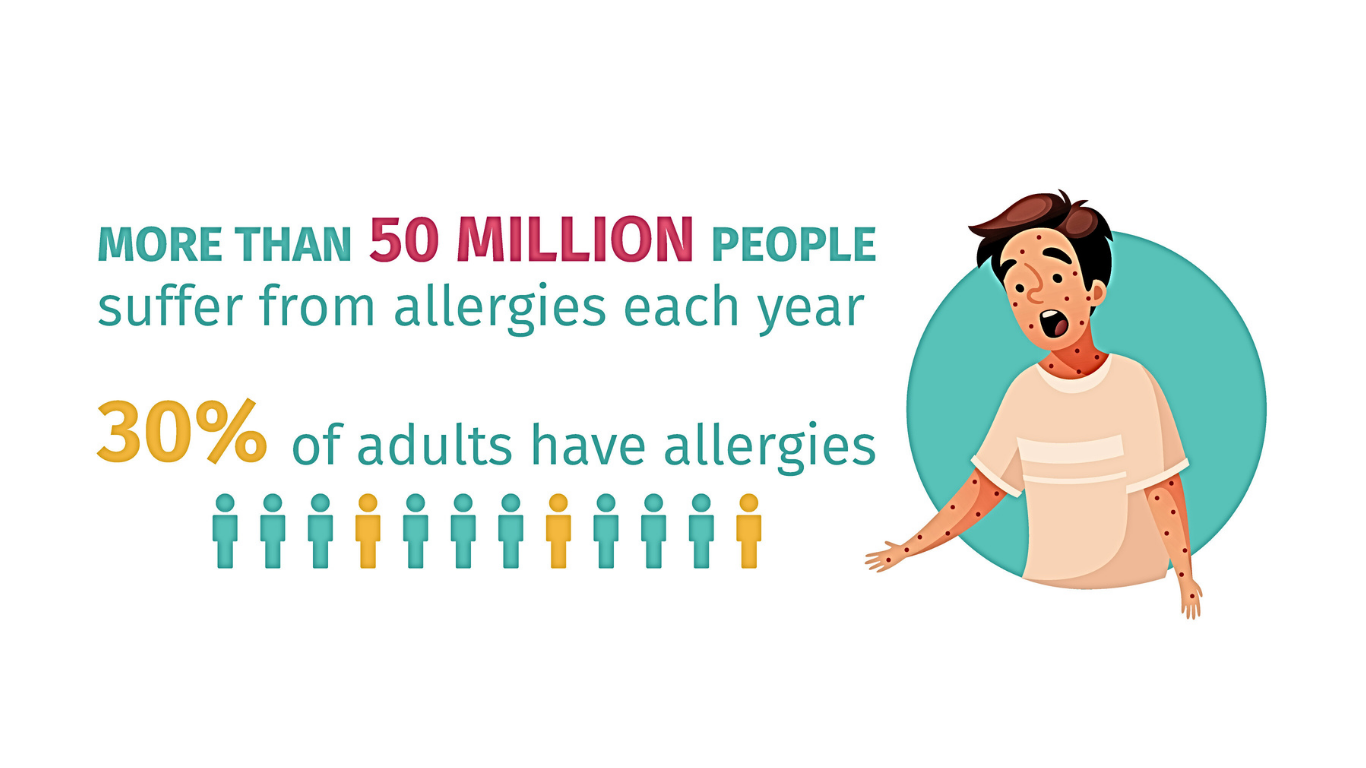
There are studies indicating that 54 per cent of female patients and 27 per cent of male partners seeking infertility treatment suffer from allergies.
Bigger challenges.
In the context of assisted reproductive technology, couples affected by allergies may face greater challenges, requiring more treatment cycles with reduced success rates per cycle.
The intricate interplay between the mother’s immune system and the embryo poses a significant hurdle, as the maternal immune response may perceive the embryo as a foreign protein, triggering a cascade of immune reactions that impede implantation and result in pregnancy loss, Dr. Nageshwar said.
With infertility treatments becoming increasingly common, addressing underlying allergic conditions may prove instrumental in improving pregnancy outcomes and get successful fertility outcomes, he added.